Koenigsegg
Sweden's record-setting hypercar maker. Christian von Koenigsegg founded his car company in 1994. How it builds engines in-house, the 277.9 mph Agera RS run and the Jesko and Gemera.
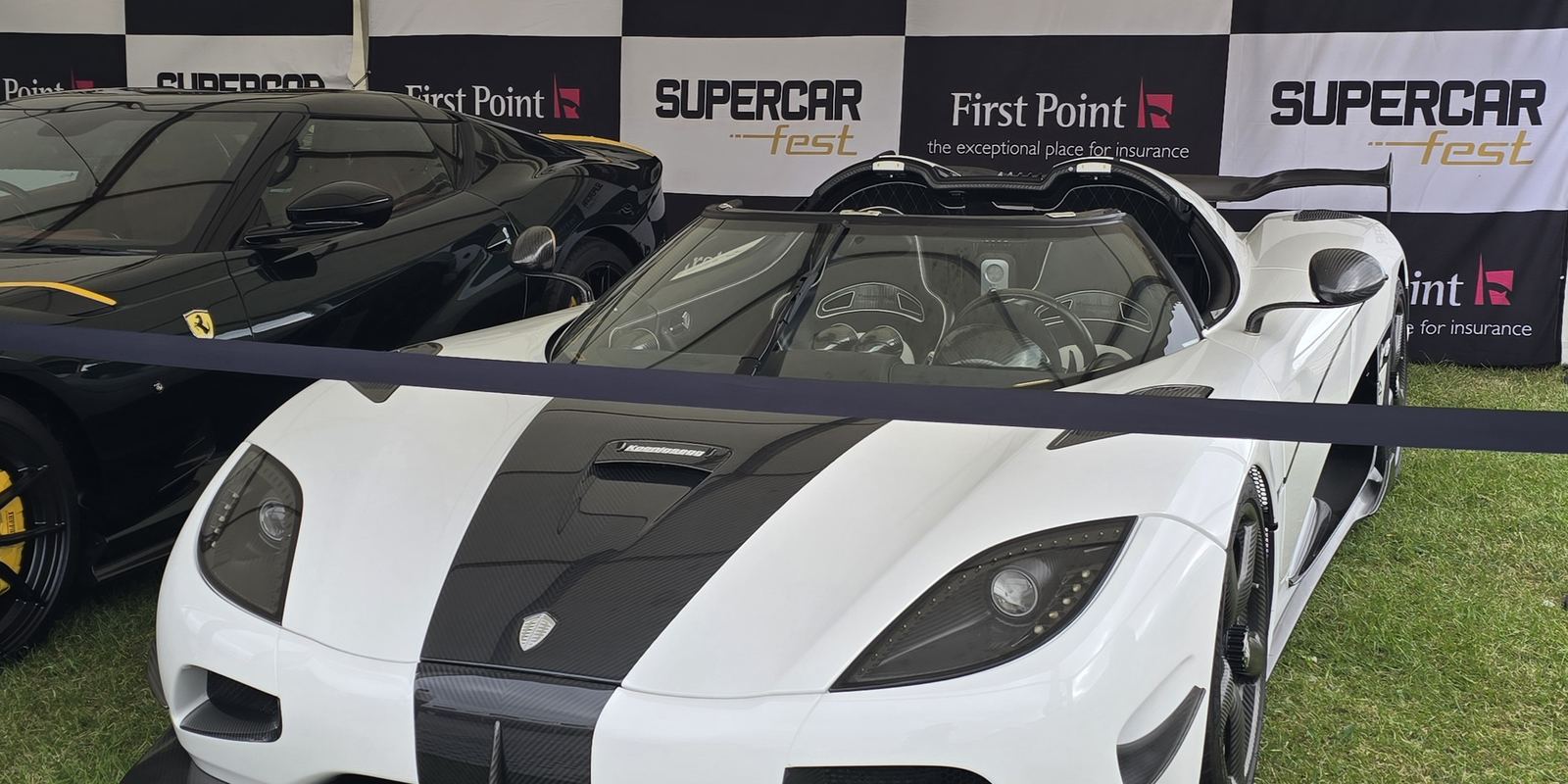
A Koenigsegg Agera RS: Calreyn88, CC BY-SA 4.0
A dream from a film
Christian von Koenigsegg has said he decided to build cars after watching the Norwegian stop-motion film The Pinchcliffe Grand Prix as a boy. In 1994, aged 22, he founded Koenigsegg Automotive in Sweden with money raised from investors.
Years of development led to the CC8S, the company's first road-legal production car, in 2002. In the early 2000s Koenigsegg moved to Ängelholm in southern Sweden, where it opened a new factory and engineering centre in 2023.
Making almost everything
Koenigsegg is known for building its core systems itself, including engines, gearboxes, carbon fibre wheels and software. That is unusual for a small maker, which would normally buy many of these parts from suppliers.
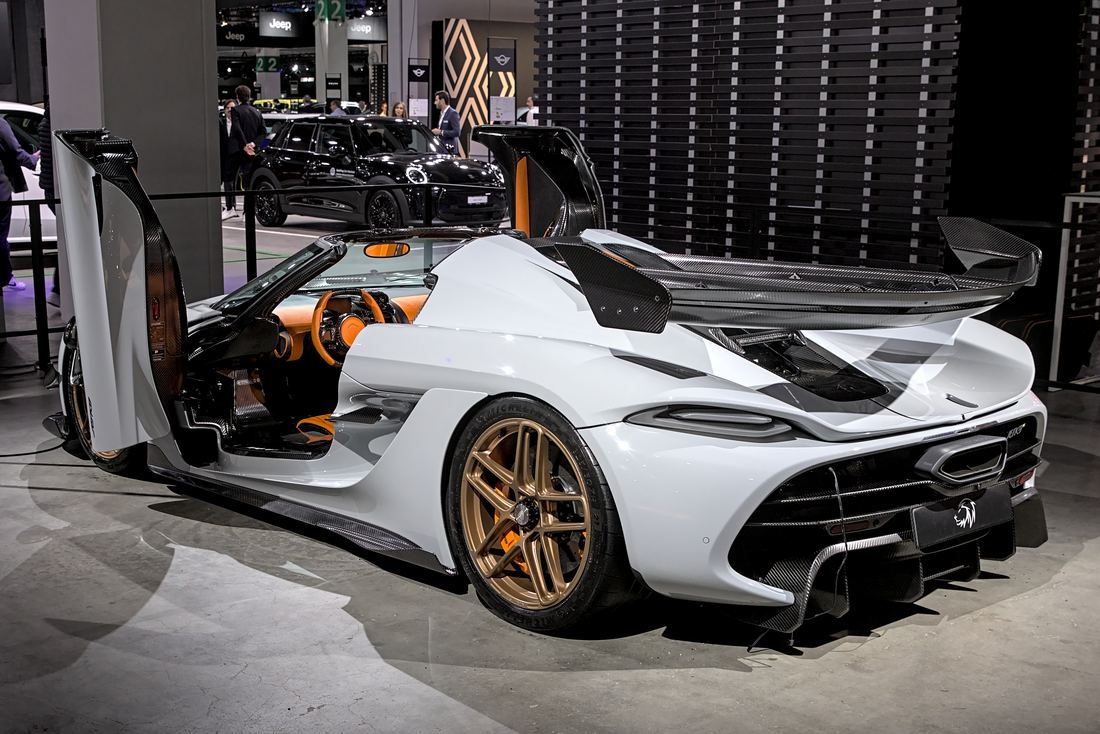
It has also developed new technology of its own, such as the Light Speed Transmission in the Jesko, which can jump between gears rather than stepping through them, and a camless engine called Freevalve, first used in the four-seat Gemera.
The Agera RS record
On 4 November 2017, Koenigsegg closed a stretch of public highway in Nevada with official permission and ran an Agera RS in both directions. The two-way average was 447.19 km/h, or 277.87 mph, with a peak run of about 457 km/h.
A two-way average cancels out the help of wind or slope, which is why many record keepers require it. The Agera RS was a limited series, and the record car belonged to a customer.
Record runs on public roads are rare because they need a long, flat, straight and closed stretch of tarmac, plus safety crews and timing equipment. Many makers use private test tracks instead, but even the longest straights may be too short for the fastest cars to reach their limit. That is one reason hypercar speed records are so difficult to set and compare.
Today's line-up
As of 2026 Koenigsegg's range includes the Jesko hypercar, the Gemera, a four-seat hybrid that the company calls a mega-GT, and the CC850, a tribute to the CC8S with a manual gearbox.
Production stays small, with each car built to order in Ängelholm. At the end of 2023 the company had just under 800 employees, tiny next to mass-market carmakers but large for a hypercar specialist.
- A Koenigsegg Agera RS: Calreyn88, CC BY-SA 4.0
- A Koenigsegg Jesko: Alexander-93, CC BY-SA 4.0
Text written by Greatest Prestige.